
Robot Platform
High-reliability mobile robot platforms
for multi-scenario applications
Robot Platform All Products
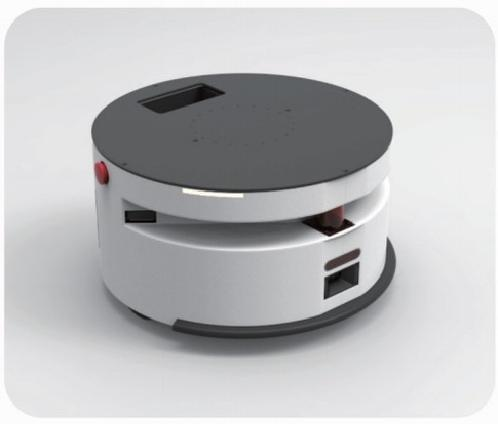
EasyNext60-DIFF-S
Uilizing two-whel diferential hub motor drive and 270°autonomous navigation via a single LiDAR sensor,t suports both manual charging and automatic docking station chaging.
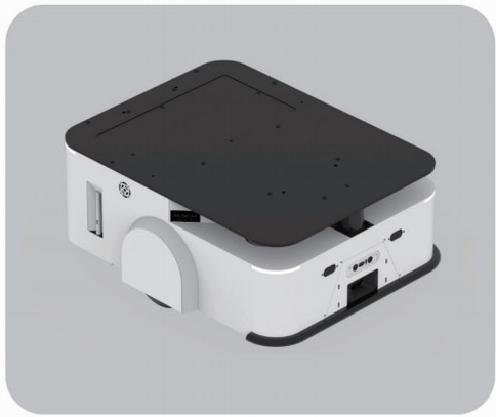
EasyNext80-DIFF-S
Uilizing two-wheel iferential servo motor drive and 270°autonomous navigation via a single LiDAR sensor,it supports both manul charging and automatic docking station chaging.
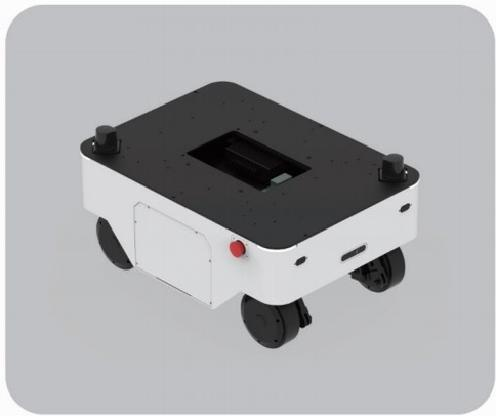
EasyNext100-OMNI-S
Uilizing two-whel diferential hub motor drive and 360°autonomous navigation via a single LiDAR sensor,it supports bothmanual charging and automatic docking station chaging.
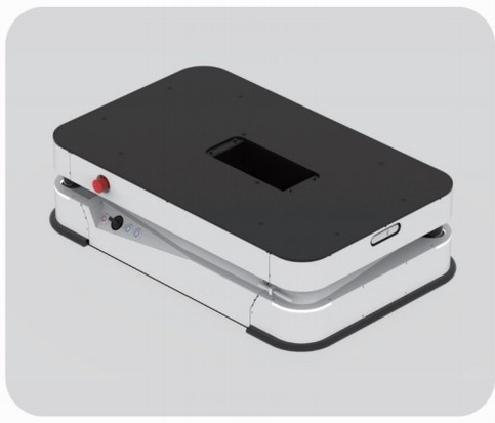
EasyNext200-DIFF-S
Uilizing two-whel diferential hub motor drive and 360°autonomous navigation via a single LiDAR sensor,it supports bothmanual charging and automatic docking station chaging.
Robot Platform (without housing)
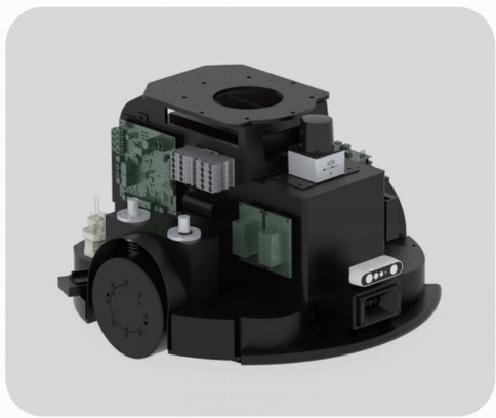
EasyNext60-DIFF-S (without housing)
Uilizing two-whel diferential hub motor drive and 270°autonomous navigation via a single LiDAR sensor,t suports both manual charging and automatic docking station chaging.
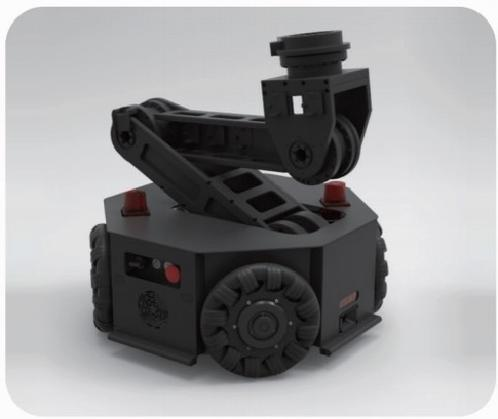
EasyNext100-MEC-SC (without housing)
Uilizing two-wheel iferential servo motor drive and 270°autonomous navigation via a single LiDAR sensor,it supports both manul charging and automatic docking station chaging.
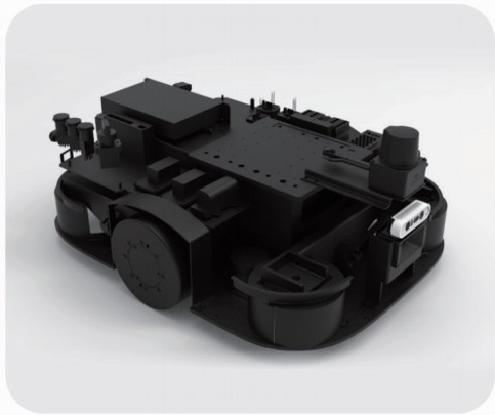
EasyNext100-DIFF-S (Without housing)
Uilizing two-whel diferential hub motor drive and 360°autonomous navigation via a single LiDAR sensor,it supports bothmanual charging and automatic docking station chaging.
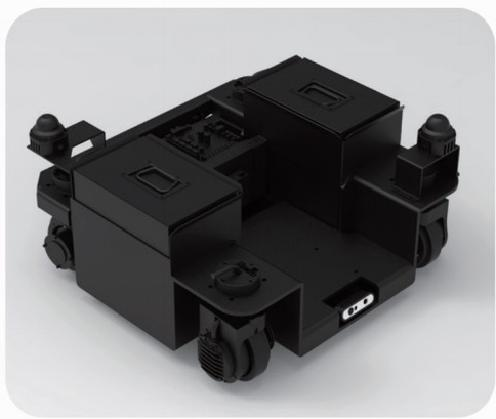
EasyNext100-OMNI-DV (Without housing)
Utilizing two-wheel differential hub motor drive and 360°autonomous navigation via a single LiDAR sensor,it supports both manual charging and automatic docking station chaging.
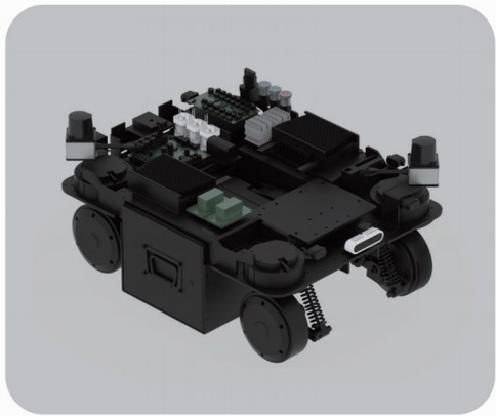
EasyNext100-OMNI-DH (Without housing)
Utizing two whel diferential hub motor drive and 360°autonomous navigation via a single LiDAR sensor;t upports both manual charging and automatic docking station chaging.
Robot Platform Typical Applications
EasyNext robot platforms are designed for mobile robot projects that require rapid deployment and stable mobility. Centered around reliable movement, localization, and navigation capabilities, each robot platform integrates LiDAR and a navigation kit, allowing it to be directly used for mapping, localization, and path planning. This significantly lowers the barrier to building mobile capabilities from the ground up.
In practical applications, a robot platform serves as the mobile foundation of the system, supporting upper structures or functional modules such as racks, robotic arms, task-specific equipment, or interactive terminals. These platforms are commonly deployed in indoor environments including warehouses, office buildings, campuses, and commercial spaces to perform repetitive mobility and point-to-point execution tasks. By using a robot platform—sometimes also referred to as a robot base or robot chassis—developers can focus their efforts on integrating and optimizing their own application logic rather than building the underlying navigation system.
Overall, robot platforms are well suited for teams looking to shorten development cycles and reduce the workload associated with low-level system tuning. As application requirements evolve, functionality can be extended by modifying upper structures or business logic while keeping the robot platform and navigation system unchanged, enabling flexible system expansion over time.
Robot Platform FAQ
1. What is a mobile robot chassis?
A mobile robot chassis is the base platform of a mobile robot, integrating key components such as the drive system, wheels, motors, controllers, power supply, and communication interfaces. Depending on the configuration, it can also integrate LiDAR, cameras, obstacle-avoidance sensors, navigation modules, and automatic charging systems.
2.What types of robot chassis are available?
Robot chassis can be designed with different drive configurations, including differential drive, four-wheel drive, and omnidirectional drive. The appropriate configuration depends on the operating environment, payload, maneuverability requirements, and intended application.
3.Does the robot chassis support autonomous navigation?
Yes. Our mobile robot platforms can be configured with LiDAR, localization, mapping, obstacle avoidance, and other sensors to support SLAM-based autonomous navigation. Navigation configurations can be selected according to the application environment and development requirements.
4. Does your robot chassis support ROS and ROS2?
Yes. Selected robot platforms support ROS and ROS2 development environments, helping developers integrate navigation, sensors, robotic arms, vision systems, and other upper-level applications more efficiently.
SDK and API interfaces can also be provided depending on the platform.
5.Can I develop my own application on the robot chassis?
Yes. Our robot chassis is designed as a development platform rather than a closed finished robot. Developers can build their own applications by integrating sensors, computers, robotic arms, cabinets, delivery modules, inspection equipment, or other customized upper structures.
6. Can the robot chassis size and payload be customized?
Yes. For OEM and ODM projects, chassis dimensions, payload capacity, drive configuration, wheel type, mounting structure, interfaces, sensors, and other hardware can be customized according to project requirements.
7. Can robotic arms or other modules be mounted on the chassis?
Yes. The chassis can be designed with mounting points and expansion interfaces for robotic arms, lifting modules, delivery cabinets, inspection equipment, cameras, LiDAR, and other application-specific devices.
8. Does the mobile robot chassis support automatic charging?
Automatic charging can be integrated into compatible platforms. The robot can navigate to a charging station when required, reducing manual intervention and making the platform more suitable for long-term autonomous operation.
9. What sensors can be integrated with the robot chassis?
Depending on the application, the platform can integrate LiDAR, depth cameras, RGB cameras, ultrasonic sensors, infrared sensors, IMUs, encoders, collision sensors, and other perception devices.
10. What applications can mobile robot chassis be used for?
Mobile robot chassis can be used as the base platform for many robotic applications, including:
* Autonomous delivery robots
* Warehouse and logistics robots
* Inspection robots
* Service robots
* Mobile manipulators
* Research and education robots
* Industrial automation robots
* Embodied intelligence development platforms
11. How do I choose the right robot chassis?
The right chassis should be selected based on several factors, including payload, chassis dimensions, floor conditions, turning radius, required speed, navigation method, runtime, sensor configuration, communication interfaces, and upper-module requirements.
Providing your application scenario and technical requirements allows us to recommend a more suitable platform.
12. Do you provide custom robot chassis development?
Yes. EasyNext supports OEM and ODM robot chassis development, covering requirement analysis, chassis design, hardware configuration, navigation integration, interface development, prototyping, testing, and preparation for volume production.